All Categories
Featured
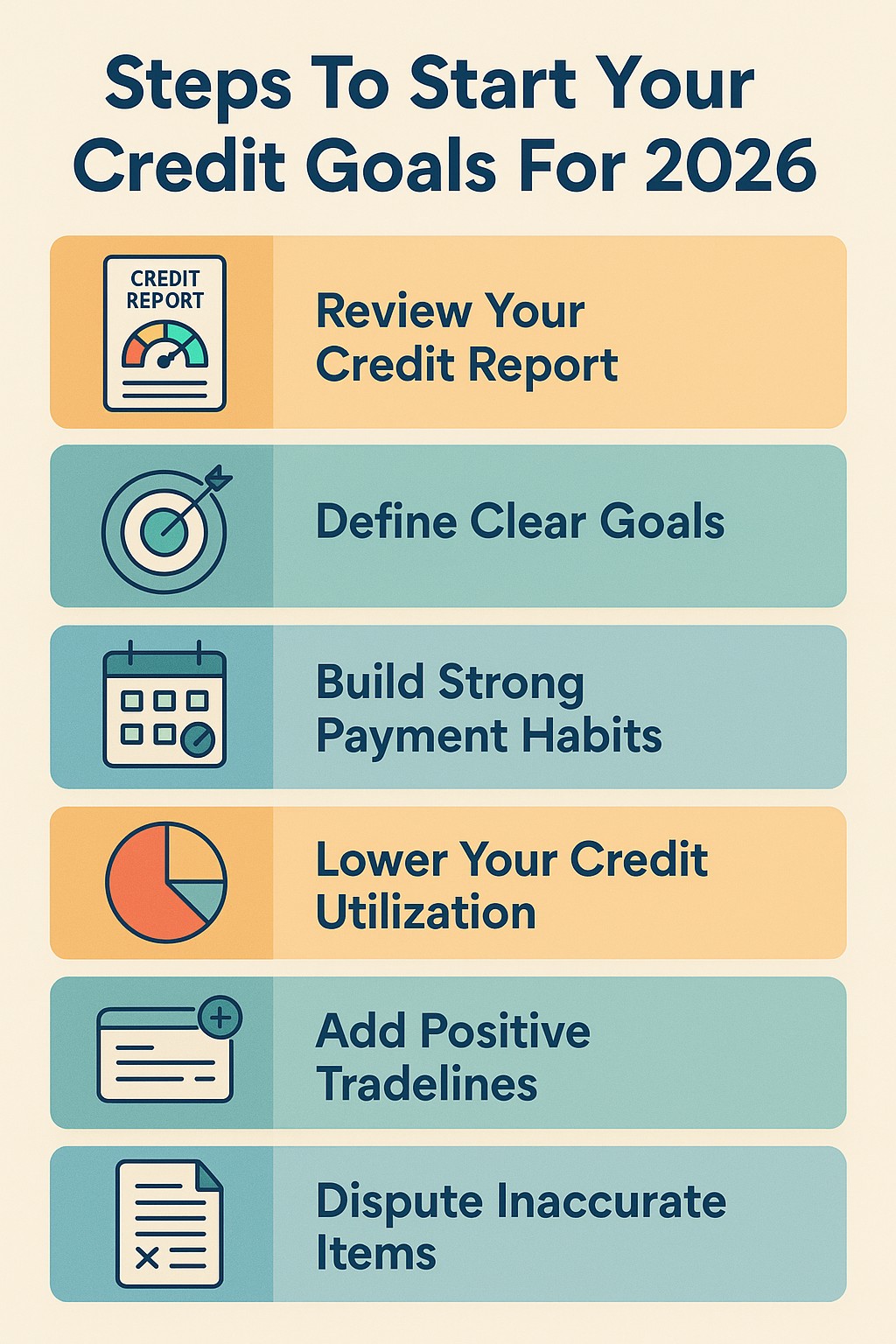
New Ways to Improve One's Credit By 2026
Table of Contents
Results vary depending on the number of missed out on payments you have and how far past due they are. Missed out on payments remain on your report for seven years, however their effect fades gradually. Your credit utilization ratio, the quantity of credit you're utilizing versus what's offered, accounts for 30% of your FICO Rating and 20% of your VantageScore.
If yours is higher, paying down financial obligation is one of the fastest methods to enhance your rating. Think about using the debt snowball or debt avalanche method to pay it down without otherwise affecting your rating. Within a month of your brand-new utilization ratio being reported to the credit bureaus. That card's credit limitation and history get factored into your own score.
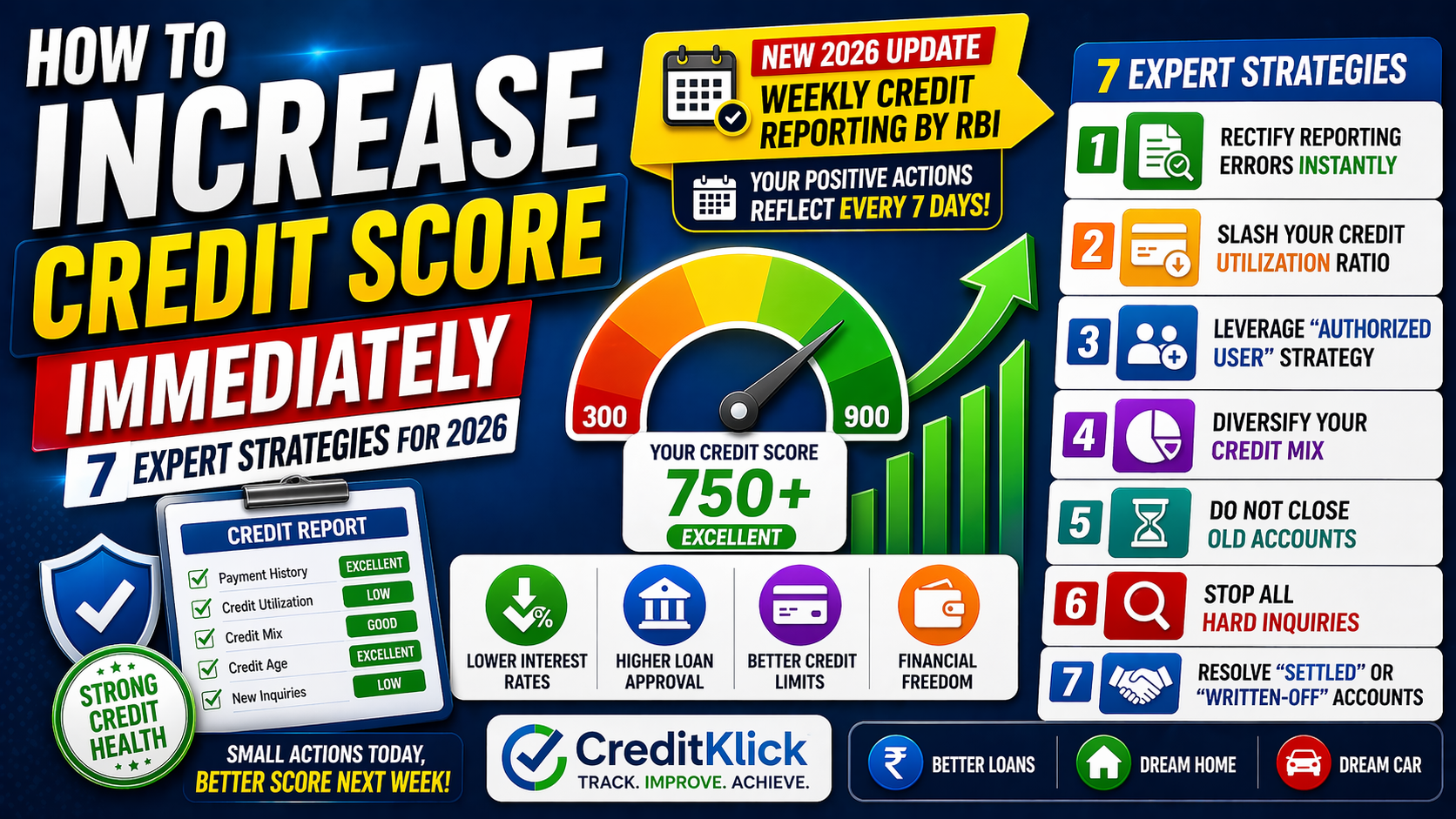
As an authorized user, the primary cardholder's habits affects your credit too. Once it's authorized and reported, it can decrease your credit usage and improve your credit score.
The key is to not add to those balances. If your earnings has actually increased or you have a strong payment history, you're a great candidate for an increase. Ask your provider whether a tough query is required initially, as that can briefly decrease your rating. Fast once the higher limit is reported to the bureaus, your usage ratio drops and your rating must follow.
You can also dispute the info if it's incorrect or too old to be noted. FICO 8, the most frequently utilized version, counts paid and unpaid collections on debts of $100 or more. More recent models, FICO 9 and 10, overlook paid collections totally and treat overdue medical collections less badly.
Understanding Your Laws in New RegulationsWays to Boost Your Credit Score in 2026
Get personalized debt relief options that might reduce what you owe and assist you gain back financial stability. These cards are backed by a cash deposit (normally paid in advance), which functions as your credit line. They work like a routine charge card and report your payment history to the bureaus the same method, so consistent on-time payments construct your score gradually.
If you have a thin credit profile, tools like Experian Boost can assist you build it out by, such as rent, utilities and streaming services. Not all scoring designs factor in this data, but where it's considered, a constant record of on-time payments can meaningfully improve your score. As quickly as the information is reported to the bureaus.
Closing old accounts shortens your credit history and can increase your credit utilization. Integrated, this might lower your credit rating.
Closing your earliest account lowers your typical account age, increases credit usage and can lower your score when reported to the credit bureaus. It accounts for 10% of your FICO Score and is not factored into VantageScore at all.
Be careful of taking out brand-new credit simply for the sake of improving your credit. Focus on naturally mixing up your credit over time.
Proven Strategies for Fixing Poor Credit Quickly
The time it takes will depend on the individual aspects impacting it and the steps you take to alter them. A credit line boost or ending up being an authorized user can reveal results within a billing cycle.
Understanding Your Laws in New RegulationsDo not close old accounts, even ones you hardly ever utilize. For example, keep your very first credit card active by putting a little recurring charge on it, like a streaming subscription, and pay it off monthly. Closing old accounts shortens your credit history and can increase your credit usage. Combined, this could lower your credit report.
Closing your earliest account minimizes your typical account age, increases credit utilization and can decrease your score when reported to the credit bureaus. It accounts for 10% of your FICO Score and is not factored into VantageScore at all. If you just have credit cards, getting a small individual loan could enhance your rating.
Be cautious of taking out brand-new credit simply for the sake of enhancing your credit. Focus on organically blending up your credit over time.
The time it takes will depend on the private aspects affecting it and the actions you require to change them. A credit limit boost or ending up being an authorized user can show results within a billing cycle. Recuperating from missed out on payments or collections can take months. The bright side: unfavorable products fade in impact with time and fall off your report totally within 7 to 10 years.
Key Legal Rights in 2026 Credit Repair
Don't close old accounts, even ones you hardly ever utilize. Keep your first credit card active by putting a little recurring charge on it, like a streaming membership, and pay it off each month. Closing old accounts shortens your credit report and can increase your credit usage. Combined, this could decrease your credit report.
Closing your earliest account reduces your typical account age, increases credit utilization and can lower your score when reported to the credit bureaus. It represents 10% of your FICO Score and is not factored into VantageScore at all. If you just have credit cards, getting a small personal loan might improve your rating.
Be careful of taking out brand-new credit simply for the sake of enhancing your credit. Concentrate on organically blending your credit in time. Fast once the brand-new account is reported to the bureaus, you might see a change within a billing cycle. See LendingTree's full guide on how your credit history is computed.
The time it takes will depend on the individual factors impacting it and the steps you take to change them. A line of credit increase or ending up being an authorized user can show results within a billing cycle. Recuperating from missed payments or collections can take months. The great news: unfavorable products fade in effect with time and fall off your report completely within 7 to ten years.

Latest Posts
Ways to Increase Credit Rating in 2026
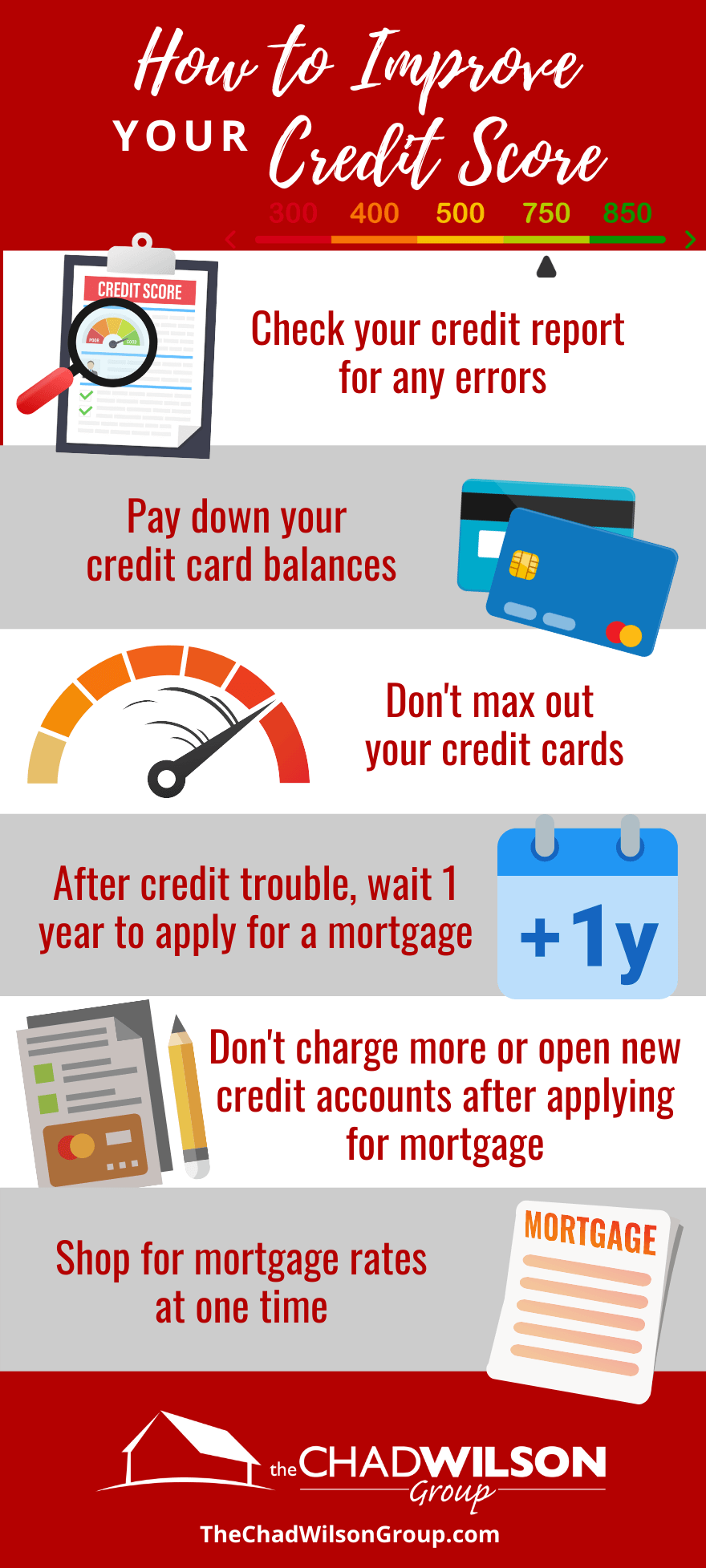
Essential Consumer Rights Under 2026 Credit Repair

Future Debt Building Tactics for 2026