All Categories
Featured
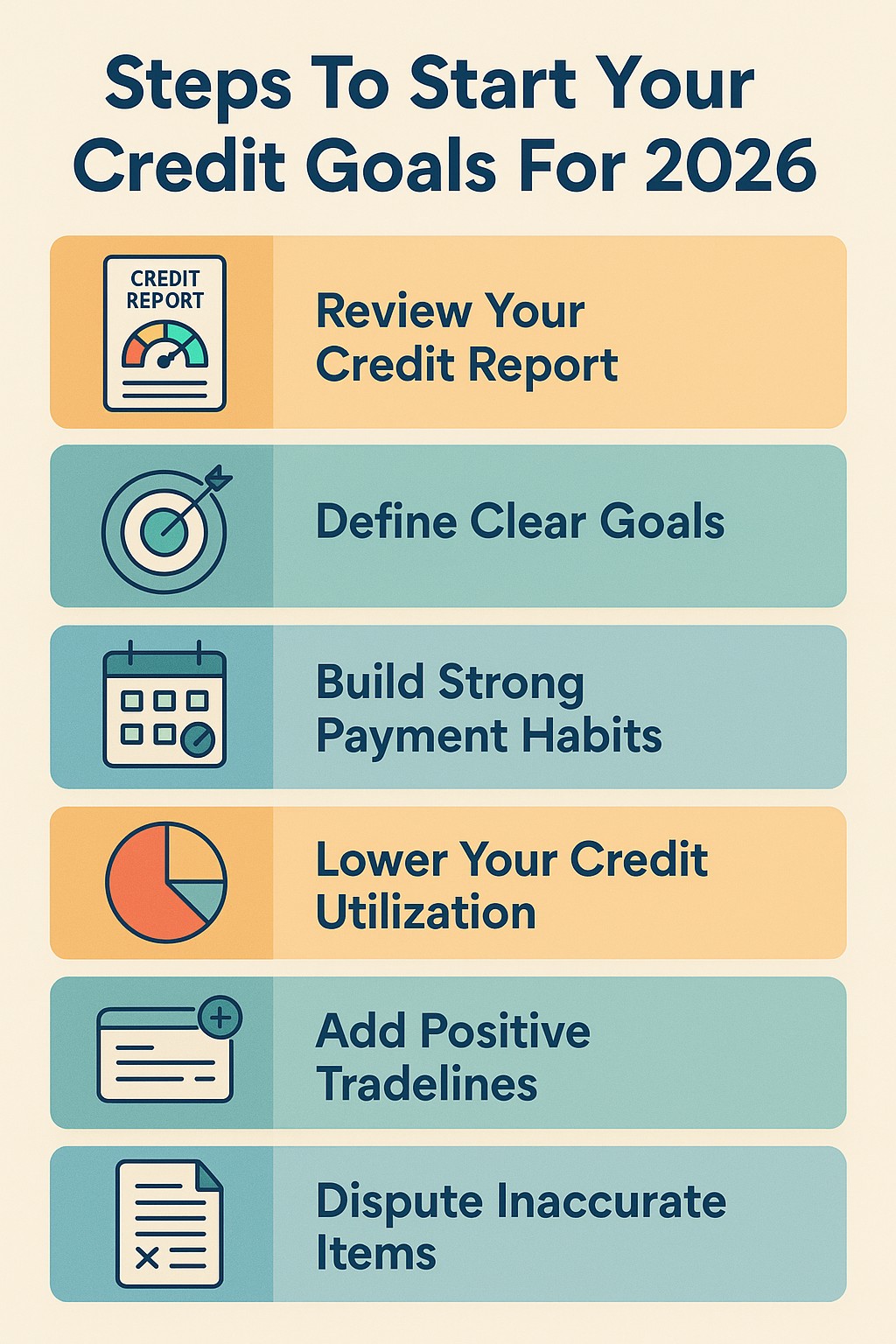
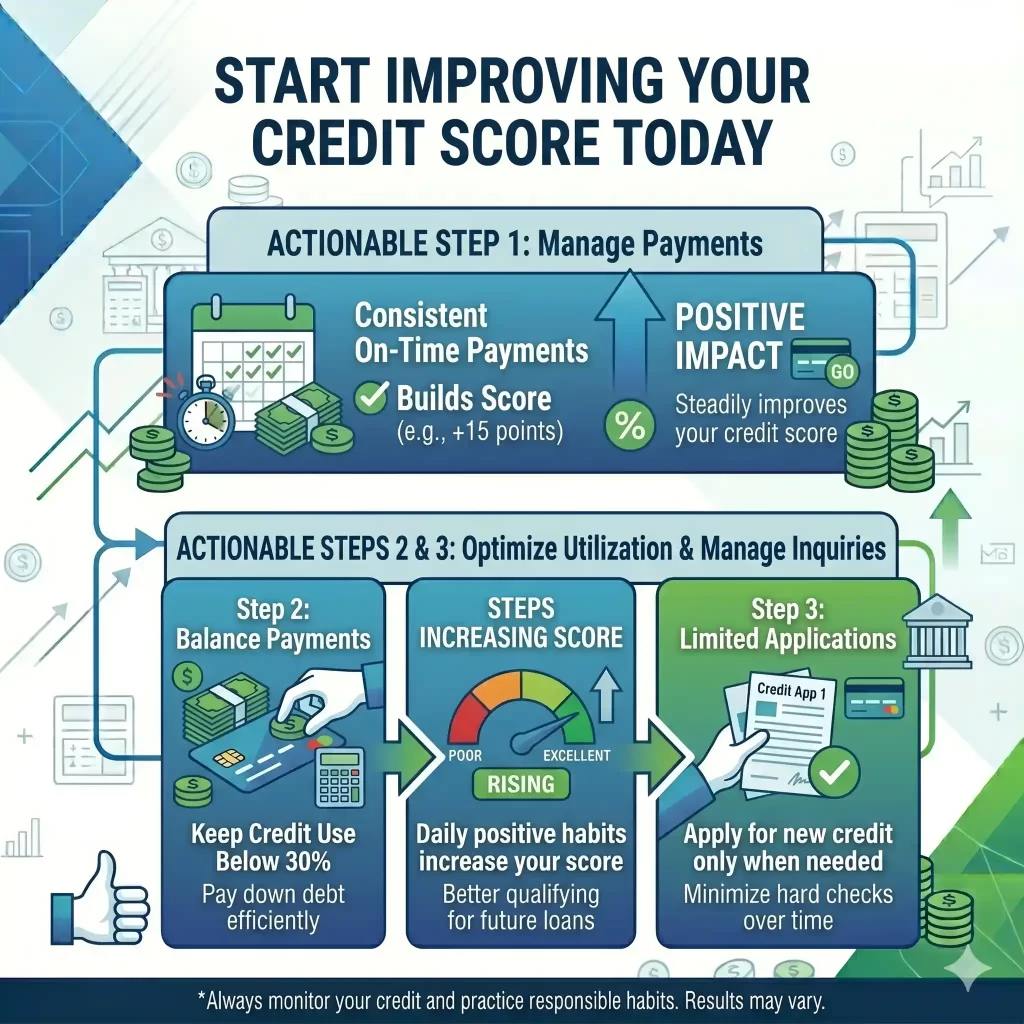
Effective Ways to Fix My Credit 2026
Asian (45%), Hispanic (36%) and Black adults (34%) are all most likely than White adults (19%) to have learned about individual finances from media. More youthful grownups are most likely than older adults to have actually found out about personal financial resources from media (29% vs. 21%). Adults with lower earnings (29%) are most likely than those with middle (18%) or upper incomes (10%) to state they found out about personal finances from K-12 schools.
MakingCents Smart Money Methods will assist you get the most out of your cash and prepare for the future with these useful tools. Get your finances on track from the start, browse work, household and finances with ease, and discover how to optimize your money from growing wealth to preparing for retirement.
The FDIC Cash Smart monetary education program can assist people of all ages boost their financial abilities and develop favorable banking relationships. Released in 2001 and frequently upgraded considering that then, Money Smart has a long track record of success.
An excellent spending plan and savings commitment are the foundation of your financial strategy. InCharge is happy to use complimentary monetary literacy resources to teachers, K-12, college and adult.
These resources are complimentary for downloading, printing and replicating. Instructor's guides consisted of. InCharge has established specialized financial literacy workshops for at-risk adult populations, particularly low-education and low-literacy. These unique products are highly visual and interactive created for the in-person workshop. Take a look at our programs, use our products in your own community and let us know how they work for you.
Finding Free Credit Counseling Near Me 2026
Even worse still, they make dreadful financial investment decisions based on suggestions they need to have dismissed. If hit with a $1,000 emergency, 39% of Americans in 2021 stated they wouldn't be able to cover it with money they have on hand.
And by the method, that's even if they keep working, according to the Center for Retirement Research Study at Boston College. Americans were getting a little better, but the number has actually inched back up in the wake of the COVID-19 pandemic.
Educators and consumer-focused not-for-profit companies believe the concern is mostly that American consumers just don't understand any better. A cadre of these groups are battling back with curricula focused on making financial education part of every secondary-school program. "We desire people to have a financial education before they become grownups," stated Laura Levine, president and chief executive of Dive$tart Coalition for Personal Financial Literacy.

We require to inform more trainees with courses provided regularly." Jump$tart Coalition is a Washington, D.C.-based consortium released in 1995 to motivate financial-training programs. The company has a broad range of tools for both customers and educators, in-person and online. The goal is to develop a population that is informed about monetary choices and competent adequate to make great choices, the essence of financial literacy.
Modern Credit Building Tips for ConsumersSchool districts across the country grumble that they lack the cash and personnel to handle brand-new programs. The sort of financial training they offer differs considerably. According to the Council for Economic Education, 21 states require that high school trainees take an individual financing course to graduate and 25 require students take an economics course.
Guide to Financial Laws 2026
"The states state the programs are necessary, however they often leave it to the regional school districts to find the cash." The problem has grown in an age of seemingly limitless financial choice. Charge card, which not long back had strict underwriting requirements, are now commonly readily available. Online access to financial services and advertising e-mail has actually made credit offers of all sorts an ubiquitous part of life.
The technique is understanding what to do with them and choosing which deserve using. The site , for instance, has suggestions divided into 3 categories: youth, teachers and educators, and researchers. There are areas committed to each group with details varying from video games that assist children understand the ideas of saving and spending to a roadmap for financial abuse of retired people.
You determine the stage of life you're in trainee, parent, property owner, crisis, and so on and you will find news and info intended at your situation, along with tools and calculators that can assist resolve issues you may be encountering. You can even send questions to the Ask the Money Medical professional and see what "the physician" prescribes for debt relief.

Latest Posts

Ways to Increase Credit Rating in 2026
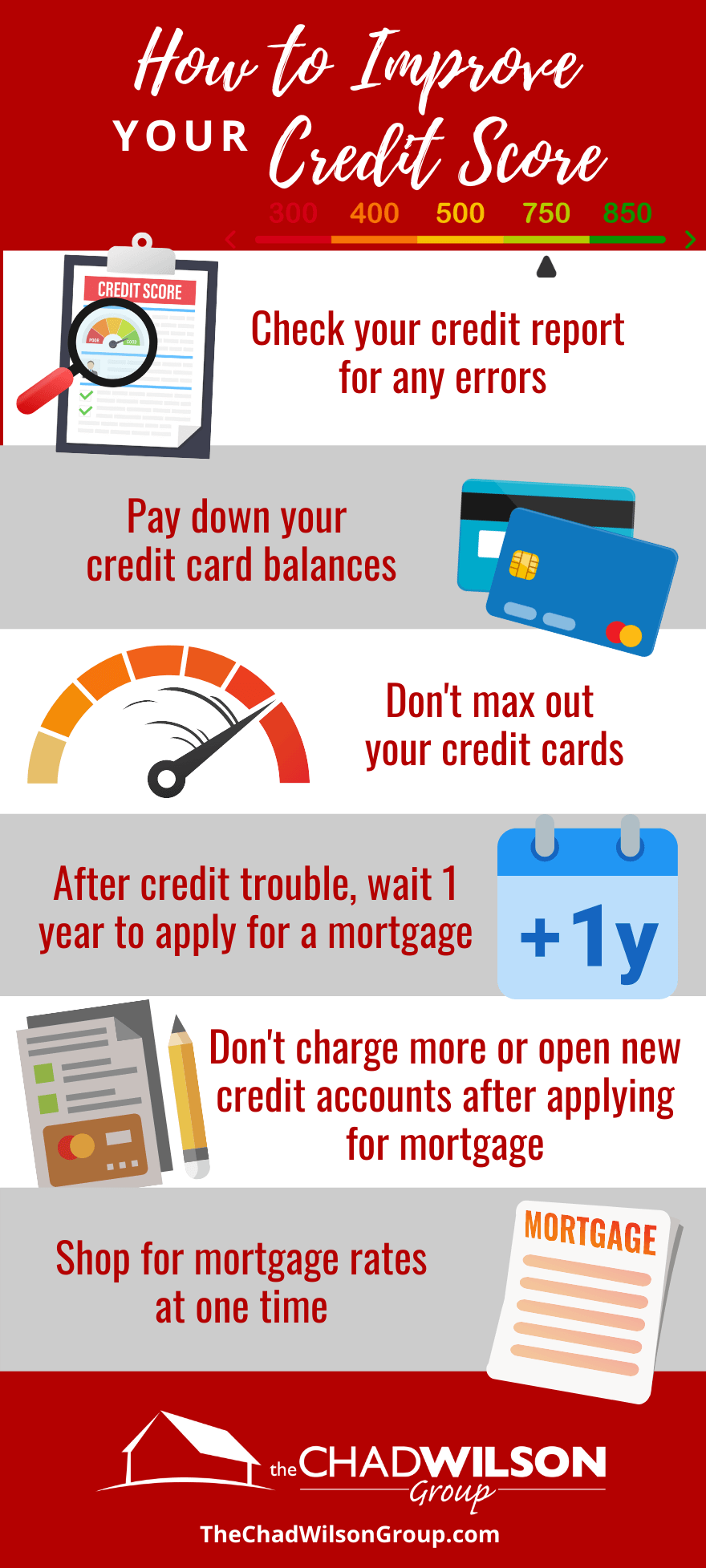
Essential Consumer Rights Under 2026 Credit Repair

Future Debt Building Tactics for 2026